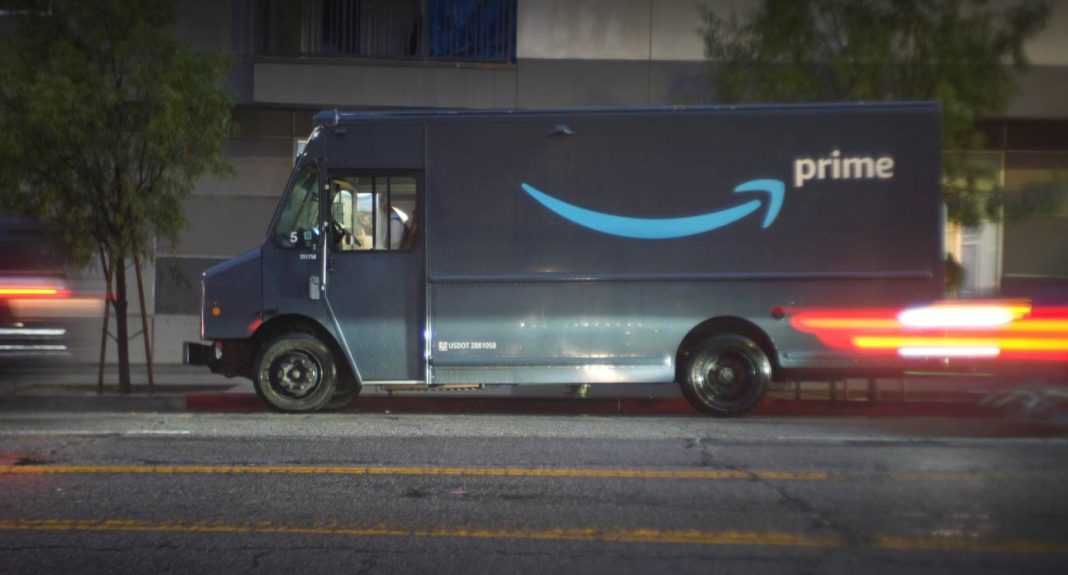

Amazon pilots “Amazon Now,” offering 30-minute delivery in Seattle and Philadelphia as it races to outpace stores and rivals with ultra-fast logistics.
Amazon is testing a new frontier in e-commerce speed: delivering groceries and household essentials in 30 minutes or less. The pilot, called Amazon Now, launched in parts of Seattle and Philadelphia and marks the company’s boldest play yet to match — and potentially surpass — the immediacy of in-store shopping.
The service isn’t cheap. Ultra-fast delivery costs about $14 per order, or $4 for Prime members, with an additional $2 fee for orders under $15. To make the math work, Amazon has positioned small, highly efficient fulfillment sites close to dense residential and commercial areas.
The test comes during a period of retrenchment in Amazon’s physical retail operations, including the shutdown of roughly 70 non-food stores and a recent slimming of its Amazon Fresh footprint. But the company’s delivery ambitions have only accelerated. Amazon is expanding same-day grocery delivery to more cities, speeding up shipments to 4,000 rural communities, and reorganizing inventory so packages travel shorter distances with fewer handoffs.
Despite having a relatively small brick-and-mortar network compared with Walmart or Target, Amazon’s logistical infrastructure is becoming competitive with both, according to analysts at Bank of America. Services like Instacart and DoorDash are also squarely in its sights.
“While this offering is in early test mode, we think Amazon Now is potentially an important step toward Amazon matching or even surpassing the immediacy benefit of in-store purchasing,” said analyst Justin Post.
Also Read: Tariffs Test How Much Price Pain Shoppers Can Take
Amazon CEO Andy Jassy has already predicted that AI-powered efficiency gains will eventually make brick-and-mortar retail less dominant. Amazon Now could be a preview of that shift — and a new hook for Prime membership and on-site advertising revenue, which have grown faster than Amazon’s core retail business.
Key service categories tell the story: in Q3, advertising revenue rose 24%, seller services climbed 12%, and subscription services grew 11%, outpacing online and physical store sales.
The half-hour delivery experiment will likely operate at low or negative margins initially, analysts said. But its limited scale means little impact on Amazon’s broader profitability — and the test signals the company’s broader thesis: speed is not just a feature, but the next battleground of retail.