
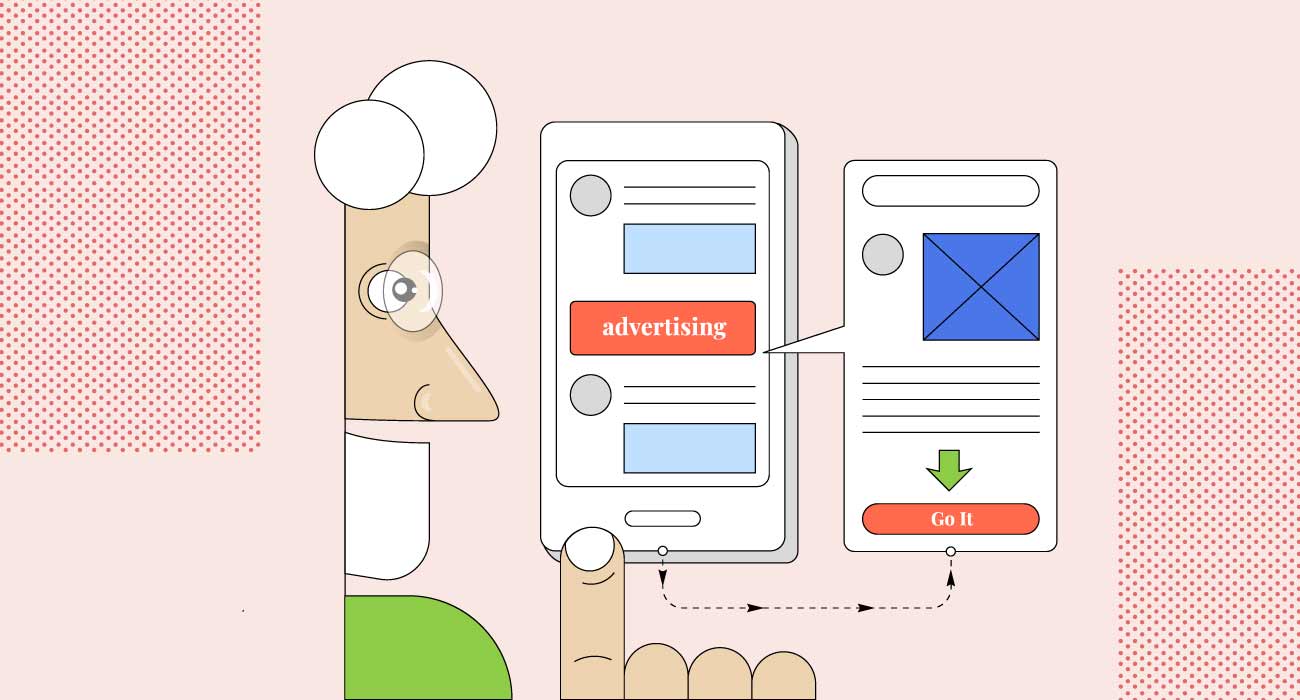
Personalized marketing builds loyalty — but one misread data point can cost you a customer forever. Here is where the line is, and how to avoid crossing it.
When Target’s recommendation algorithm began identifying purchasing patterns consistent with pregnancy — prenatal vitamins, unscented lotion, cotton balls bought in bulk — the retailer did what any data-driven marketer would do. It acted on the insight, mailing a coupon book for cribs and baby clothes to the customer’s home address.
The problem was that the customer was 15 years old. Her father called the store to complain, accusing the chain of encouraging teenage pregnancy. He later called back to apologize. His daughter, it turned out, was pregnant — a fact he had not yet known. Target’s algorithm had figured it out before her family did.
That story, now a fixture in marketing case studies, captures the central tension of personalized marketing in a single episode: the same capability that makes recommendations feel helpful can, without warning, make them feel like a violation. The line between the two is not where most brands think it is.
The Infrastructure Behind the Insight
Modern recommendation systems can track consumer behavior down to mouse movements, dwell time and keystrokes. Search engines, email platforms and social media make it straightforward to monitor purchases, preferences and browsing habits in real time. What feels like casual scrolling — saving a destination photo, browsing furniture, pinning bathroom tile ideas on Pinterest — generates detailed behavioral profiles that brands and advertisers can access, often without the consumer’s awareness.
The infrastructure making this possible operates largely out of sight. Spy pixels, tracking cookies and browser fingerprinting have become standard tools in the personalization stack. Third-party data brokers collect, categorize and sell the behavioral data these technologies generate, frequently without consumers’ explicit knowledge or consent. The discomfort that results does not come from receiving a relevant advertisement. It comes from the realization of how comprehensively ordinary behavior was tracked, packaged and monetized.
The scale is significant. A Boston Consulting Group survey of 23,000 consumers found that while 75% are comfortable with personalized experiences, nearly 70% have had at least one experience they found invasive or inaccurate—and in many cases, they responded by unsubscribing or ending business with the company entirely. Separately, around 62% of consumers say they will remain loyal only to brands that personalize their experience, while almost 80% express concern about how companies collect their data. Both things are true simultaneously, and the gap between them is where trust is won or lost.
When Precision Becomes a Problem
The most common personalization failures fall into two categories: acting on misread data, and acting on data the consumer did not know you had.
The first is a technical problem. An algorithm that recommends a product to someone who just purchased it has simply made a mistake — it has failed the implicit promise that tracking behavior should, at minimum, benefit the person being tracked. The annoyance is mild but corrosive: it signals that the system is watching without understanding.
The second is more serious. A push notification that reads “We see you’re in the mall — stop in for 50% off” is not a helpful reminder. It is a demonstration of geolocation capability that many consumers did not realize they had consented to. The offer is irrelevant. What the message actually communicates is surveillance.
The same principle applies when brands venture into sensitive life stages — pregnancy, illness, divorce, bereavement, job loss — without being invited. Sending coupons for infant formula to someone experiencing infertility, or congratulating a couple on a pregnancy they have not announced, converts a data asset into a liability. The algorithm made a reasonable inference. The brand failed to ask whether it should act on it.
What Responsible Personalization Looks Like
The distinction between personalization and surveillance is not technical. It is one of consent and expectation. Consumers are comfortable with brands using data they have knowingly provided, in ways they can reasonably anticipate, to deliver experiences that serve them rather than expose them.
Macy’s offers a workable model. The retailer aggregates first-party behavioral data with real-time insights to personalize communications across its Star Rewards loyalty program, where members have actively opted in and understand the exchange. Fifty percent of messages to program members are now personalized, with more than 500 million custom offers sent since launch — a scale achieved without the invasive inference that has damaged other brands.
The principle scales down as well as up. A florist sending a birthday coupon featuring the recipient’s birth month flower is using a small, delightful piece of data to create a moment of genuine connection. The customer feels seen, not watched. That distinction — between being known and being monitored — is the one that personalization, at its best, is supposed to resolve.
First-party data, compiled from purchase history and direct customer engagement, is almost always preferable to third-party profiles purchased from brokers. It is more accurate, more current and carries none of the ethical ambiguity of data the consumer never knowingly generated. Before acting on any data point that touches sensitive territory — marital status, health, financial circumstances, family composition — brands should ask not only whether they have the information, but also whether the customer knows they have it, and whether acting on it will feel like service or exposure.
The Real Cost of Getting It Wrong
The Target story endures not because it is exceptional but because it is legible. Most personalization failures are quieter — a recommendation that misses, a notification that unsettles, a message that arrives at the wrong moment with the wrong assumption — but they accumulate in the same direction. Each one runs a small deficit against the trust that personalization is supposed to build.
The goal of personalization is to make customers feel understood. When it works, the transaction is invisible — the right offer at the right moment, and the customer reaches for it without thinking twice. When it fails, the mechanism becomes visible, and what the customer sees is an unhelpful brand. It is a system that has been watching them.
The capability to know more about customers than they know about themselves is not, by itself, a marketing strategy. Judgment about when to use it, and when to hold back, is what separates the brands that earn loyalty from the ones that learn, too late, what they should not have said.