As retail events stretch longer and demand comes in waves, brands learn that protecting availability—not cutting prices—is the real growth strategy for 2026.
Across the largest retail events of 2025, one lesson stood out: operational stability wins.
As Prime Day stretched to four days and Turkey 5 extended beyond a week, the familiar Day 1 surge gave way to uneven waves of demand. These events did not merely grow in scale; they became harder to predict.
Many brands responded as they always have under pressure—by cutting prices, stacking coupons, and pouring more money into media. This time, those tactics collided with a harsher reality. Margins were already compressed, retail media budgets delivered diminishing returns, and hero SKUs ran out just as shoppers were finally ready to buy.
When those SKUs disappeared, so did their visibility. Page-one placement is unforgiving: once it’s lost, regaining it requires sustained inventory and aggressive bidding—often at precisely the moment budgets are most strained.
What Happens When Top SKUs Go Dark
The extended sales windows of 2025 changed how consumers shop. Shoppers browsed longer, compared more carefully, and delayed decisions. Instead of a single opening rush, buying activity spread across the entire event.
That shift broke the old playbook. Brands that concentrated promotions and media on the opening days captured early traffic, but their best sellers remained under pressure for far longer. Inventory that looked healthy in aggregate masked a growing problem at the SKU level.
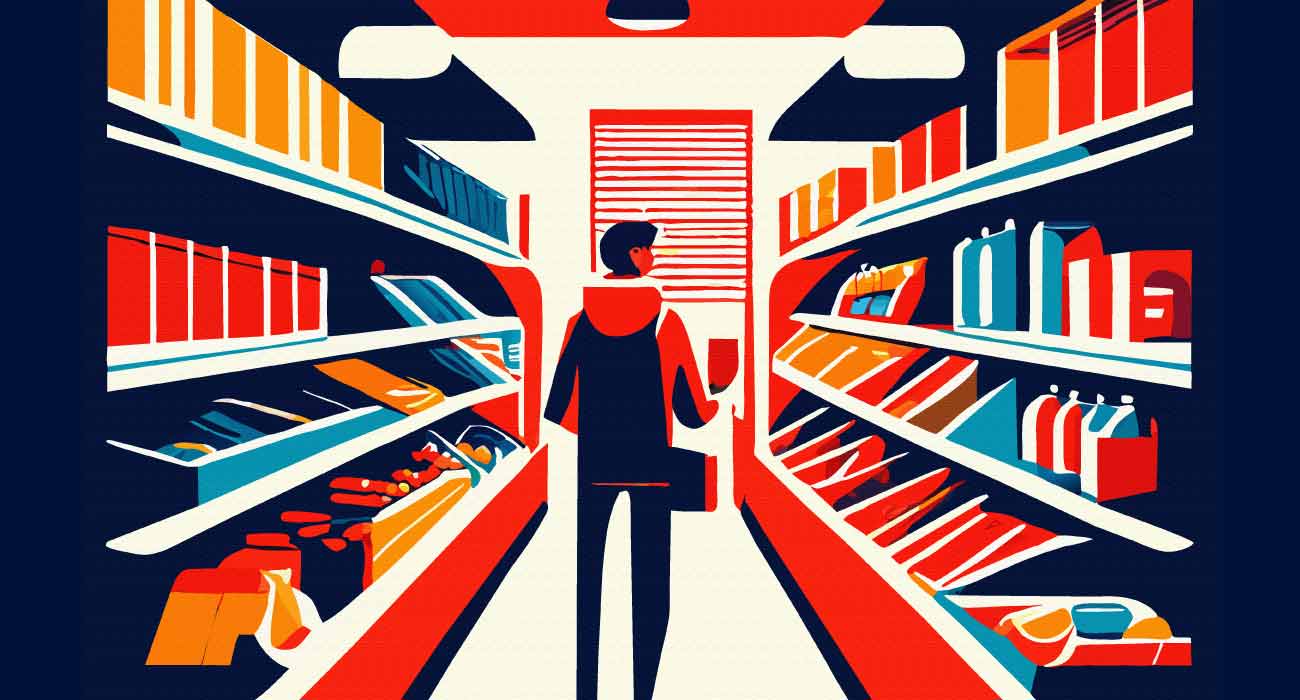
As top SKUs ran low, revenue momentum slowed. Media efficiency weakened. And the visibility those products had built over months collapsed. Data from 2025 shows that while overall inventory levels held steady across many categories, out-of-stocks disproportionately hit the highest-impact SKUs—the ones brands can least afford to lose during peak demand.
When a hero SKU disappears, shoppers behave exactly as marketplaces have trained them to: they buy what is still in stock and easy to find. The loss is not just a single transaction. It is the repeat purchase habit brands have spent months—and millions—trying to earn.
The damage extends into the next cycle. Forced substitutions distort demand signals. Forecasting becomes less reliable. Visibility takes longer to recover, even with continued spending. In a low-margin environment, that kind of waste is untenable.
The brands that win in 2026 will not wait for their top SKUs to slip into low inventory. They will treat them as assets to protect, not just products to promote—flagging risks early and acting before visibility erodes.
Inventory as a Growth Strategy
Availability is becoming a competitive advantage.
Most brands still manage inventory as a supply-chain function rather than a growth lever. The leaders are doing something different. They are building systems to detect SKU-level risk early and intervene before a dip in inventory turns into lost ranking and wasted spend.
This is where agentic AI begins to matter—not as novelty, but as infrastructure. Instead of reacting after performance declines, brands can respond while there is still time to change the outcome. A single risk signal can trigger coordinated action across supply chain, retail media, and category teams, preventing a demand surge from becoming a crisis.
Consider a hero SKU expected to outperform during an upcoming sales event. Weeks in advance, a purchase-order discrepancy is flagged and resolved before inventory is affected. Once the event begins, early signs of low inventory prompt a proactive reduction in media spend to avoid an out-of-stock. At the same time, another SKU begins to outperform expectations, and media dollars shift quickly to support it.
Visibility Starts With Availability
In 2026, pricing and media alone will not save brands that allow their most important SKUs to go dark. Promotions can generate demand, but growth depends on having products available when customers are ready to buy.
The brands that succeed will treat availability as a frontline strategy. They will use AI to identify risk early, move decisively on the SKUs that matter most, and keep them visible throughout the entire sales window.
The question is no longer, “How low can we price this?” or “How much should we spend to promote it?”
It is simpler—and more urgent: how do we protect the SKUs that drive growth, so they remain available and visible even when demand shifts?