
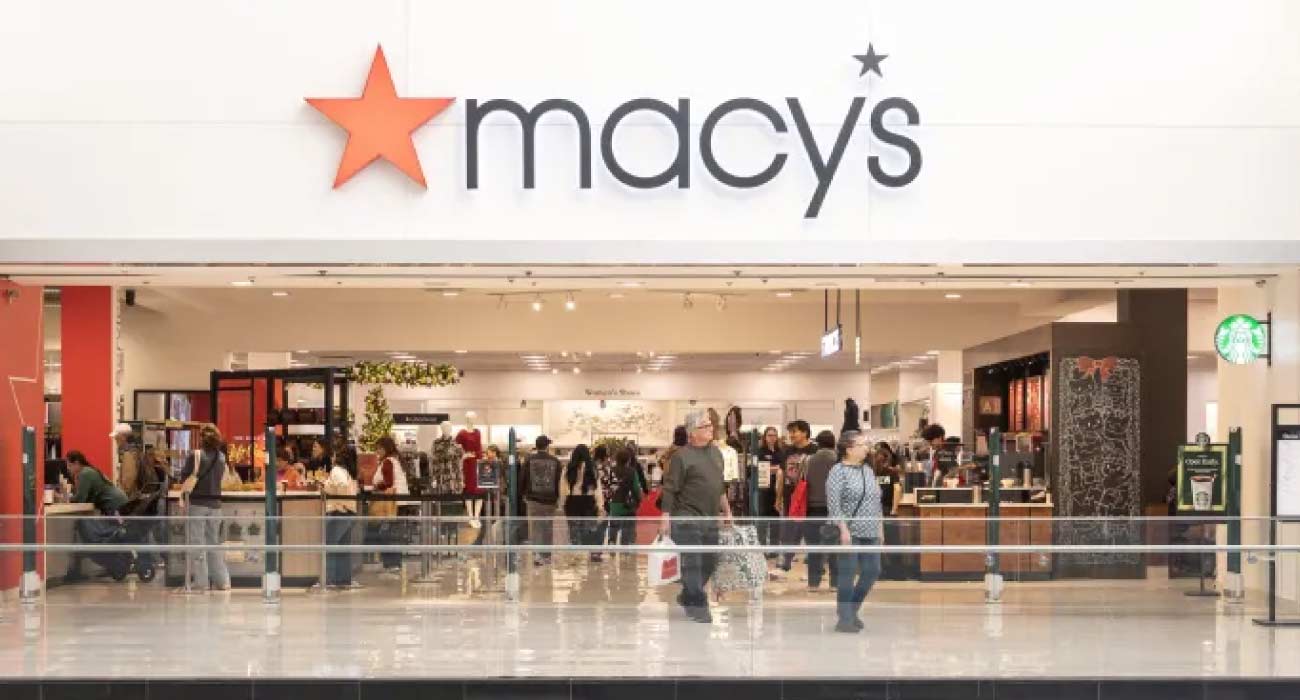
Macy’s ‘Ask Macy’s’ chatbot, powered by Google Gemini, is driving shoppers to spend nearly five times more than those who don’t use it — a rare early win for retail AI.
Macy’s has launched an AI-powered shopping chatbot called “Ask Macy’s,” built on Google’s Gemini model, and the early numbers are hard to ignore: shoppers who use it spend approximately 4.75 times more than those who do not.
The chatbot rolled out across all of Macy’s digital platforms this week after several weeks of testing with roughly half of the retailer’s website visitors. For a company that has spent a decade navigating declining sales, the results represent one of the more concrete early validations of AI’s commercial potential in retail.
Also Read: Your Rebrand Is Failing. Have You Tried Listening?
Why the Numbers Make Sense
Max Magni, Macy’s Chief Customer and Digital Officer, offered a straightforward explanation for the spending gap. Shoppers who engage with the chatbot tend to arrive with a specific purpose — an outfit for an upcoming event, a gift for someone particular — rather than browsing without intent. That specificity translates into higher conversion and larger basket sizes.
Magni also suspects the chatbot is drawing in a younger customer base, a demographic Macy’s has struggled to capture as its core shoppers have aged and its store footprint has contracted.
The two most popular features reinforce that hypothesis. The “complete the look” option suggests accessories to pair with a chosen outfit — a function that mirrors how a knowledgeable sales associate might engage a customer in store. A virtual try-on feature allows shoppers to see how an item looks on them before purchasing, and is available in physical Macy’s locations as well for customers who want to evaluate fit without using a dressing room, according to Chief Stores Officer Barbie Cameron.
Getting the Tone Right
The chatbot did not arrive fully formed. Thousands of Macy’s employees contributed feedback during development, and early versions had notable shortcomings. The original build failed to account for regional climate differences, surfacing the same product selections to shoppers regardless of where they lived. There were also tone problems.
Magni recalled asking the bot for T-shirt suggestions for his son and receiving a response that read: “Here’s a T-shirt for a 10-year-old.” Clinical, transactional, and precisely the kind of interaction that drives customers away rather than toward a purchase.
The revised version handles the same question differently. The bot now responds: “Ten-year-olds can have so much fun with colour — do you want a brighter or more muted colour selection?” The shift is small in technical terms and significant in commercial ones. “The machine continues to learn,” Magni said.
Also Read: Marketing That Predicts, Not Reacts
The Broader Race
Macy’s early results arrive as the competition to define AI-assisted shopping intensifies across the retail industry. Phoebe Gates — Bill Gates’s daughter — founded Phia, a browser extension that compares prices across retailers in real time. Shopping agent Wizard, founded by Marc Lore and Melissa Bridgeford, publicly launched in February after more than four years in development.
The field is crowded, the approaches are varied, and no clear winner has emerged. Macy’s, for its part, is not claiming to have solved the problem.
“Every retailer is trying to figure it out one step at a time,” Magni said. “This is anybody’s game. Nobody has cracked the code.”
What Macy’s does have is evidence — however early — that when an AI shopping assistant is built with enough care, it can change how customers behave in ways that show up directly in revenue. In a retail environment where comparable sales growth of 1.5 percent qualifies as a recovery, that is not a small thing.