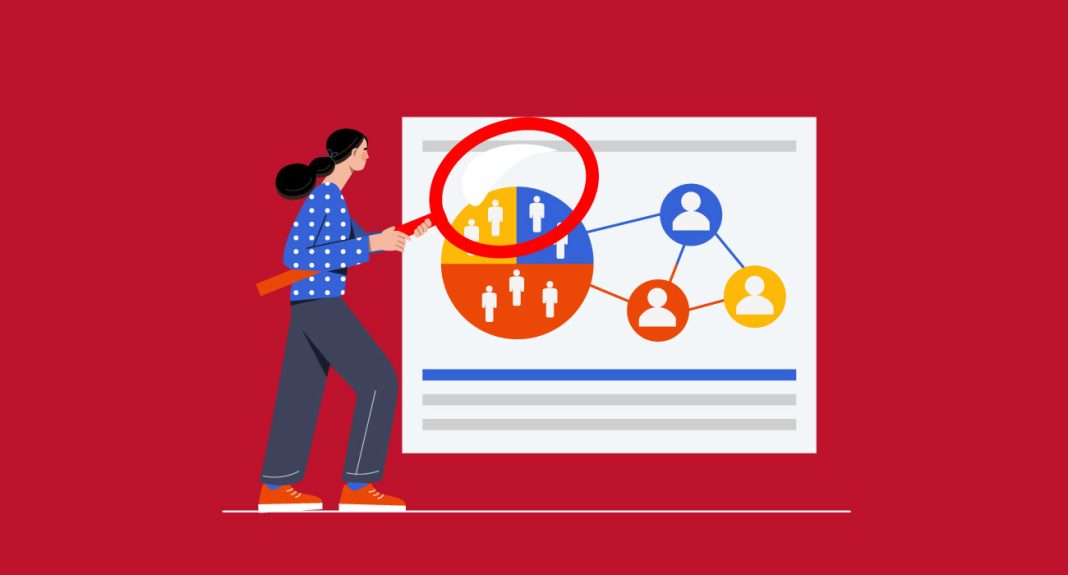

As privacy tightens and AI advances, brands are transforming first-party data from a marketing tool into a scalable, revenue-generating asset.
For much of the past decade, first-party customer data was treated as a supporting asset. Its role was to improve personalization, optimize marketing spend, and marginally lift conversion rates. The value of data was indirect, measured by efficiency gains rather than direct revenue impact.
That view is changing fast. As privacy regulations tighten, third-party signals disappear, and AI reshapes advertising and engagement, brands across industries are reassessing what first-party data is truly worth. Increasingly, they’re exploring audience monetization, the practice of turning first-party customer data into a durable, revenue-generating asset that extends beyond a brand’s own channels.
From Insight to Asset
Audience monetization reflects a shift in how organizations think about and use data. Across industries, companies now sit on rich stores of first-party data built through direct customer relationships. Transactional history, behavioral signals, and declared preferences are increasingly valuable in a market starved for reliable, permissioned data. Brands that can reliably and repeatedly package and activate these audiences are discovering new revenue opportunities that complement their core business.
Making Data Work: Unified, Governed Customer Data
Despite strong market demand, many monetization efforts don’t realize their potential because the underlying data isn’t built to scale. Fragmented identity limits audience size and accuracy, manual processes slow activation, and governance is often handled as an afterthought, not embedded in data workflows.
Successful audience monetization starts with unified customer data. When identity is resolved across channels and touchpoints, brands can build larger, more accurate audiences grounded in real behavior that can scale with the enterprise.
Unified data offers several critical advantages:
- Audience scale and precision: Larger, more accurate segments that partners can rely on
- Premium valuation: High-quality, intent-rich audiences command higher pricing
- Flexible activation: Audiences activated safely across platforms, partners, and clean room environments
- Built-in trust: Governance and consent move with the data, reducing compliance risk
This foundation transforms audience monetization from an experimental initiative into a repeatable business capability.
AI Is Raising the Stakes
AI is accelerating both the opportunity and the expectations around audience monetization. As models become more powerful, they rely less on broad inference and more on high-quality, well-governed data inputs.
For brands, AI enables faster audience creation, continuous refresh, and more nuanced segmentation based on real customer behavior. It reduces manual effort by automating decisioning and activation workflows that historically slowed monetization efforts.
At the same time, AI amplifies data weaknesses. Fragmented identities, outdated signals, or unclear consent rules undermine performance and trust. Organizations with strong data foundations will see compounding returns, while those without them will struggle to keep pace.
A Practical Example: What Monetization Looks Like in Practice
Consider a consumer brand with millions of direct customer relationships across ecommerce, loyalty, and customer service channels. Each system individually holds useful signals. Together, they represent a powerful audience asset. But only if they can be unified and activated responsibly.
With a resolved customer view, the brand can define a high-intent audience based on recent purchase behavior and engagement patterns. That audience can then be securely packaged and shared with a trusted partner to support a co-marketing or advertising initiative. Performance is measured, the audience refreshes automatically, and consent rules travel with the data throughout the process.
The result is not a one-time transaction, but a repeatable process: trusted audiences that are activated quickly, generating incremental revenue while protecting customer data.
The Path Forward
For brands getting started, audience monetization is most effective when it follows a clear set of best practices. The goal is to commercialize insight responsibly while protecting customer trust.
Successful programs typically focus on a few core steps:
- Establish a unified data foundation: Resolve customer identity across systems and channels, so audiences are accurate, scalable, and grounded in real behavior.
- Define governance upfront: Clearly map consent, usage rights, and regulatory requirements before activating audiences. Governance should be embedded into data workflows, not handled manually after the fact.
- Automate activation and refresh: Reduce operational friction by enabling continuous creation, refresh, and distribution of audiences, replacing manual or batch processes.
- Measure and iterate: Treat audience monetization as an evolving capability, using performance feedback to refine segments, pricing, and partnerships over time.
The real challenge ahead is not whether brands can monetize audiences, but whether they can do so with intention and foresight. Audience monetization forces organizations to make important choices about how data is valued, governed, and operationalized that will shape trust and competitiveness for years to come. Brands that approach this as a long-term capability will be better positioned to create sustainable value as AI and advertising continue to evolve.