

From AI shown at work to sport told through fans, the visual trends brands need to understand for the rest of 2026.
If I could summarize what I’ve learned in the first months of 2026 in one sentence, it would be this: today, audiences have a sharp radar for what’s real, and they reward brands that show it.
We’re officially in the second half of the year. If you’re a marketer, designer, brand VP, or CMO who hasn’t yet paused to reflect on what’s ahead, here’s your chance.
I’m the Director of Creative Insights at Getty Images, and I spend much of my time analyzing visual content to understand what moves consumers and which visuals drive the most revenue for brands.
Here’s what’s been setting the tone for creative visual content in 2026. AI has moved past spectacle, toward visuals of AI quietly supporting real people in real work. Authenticity is now layered and regional, with craft and imperfection read as credibility. And sport and fandom, fresh off the men’s World Cup, are told less through highlights and more through fans, and increasingly athletes, as co-storytellers.
Let’s unpack what this means for your brand.
AI: From Spectacle to Support
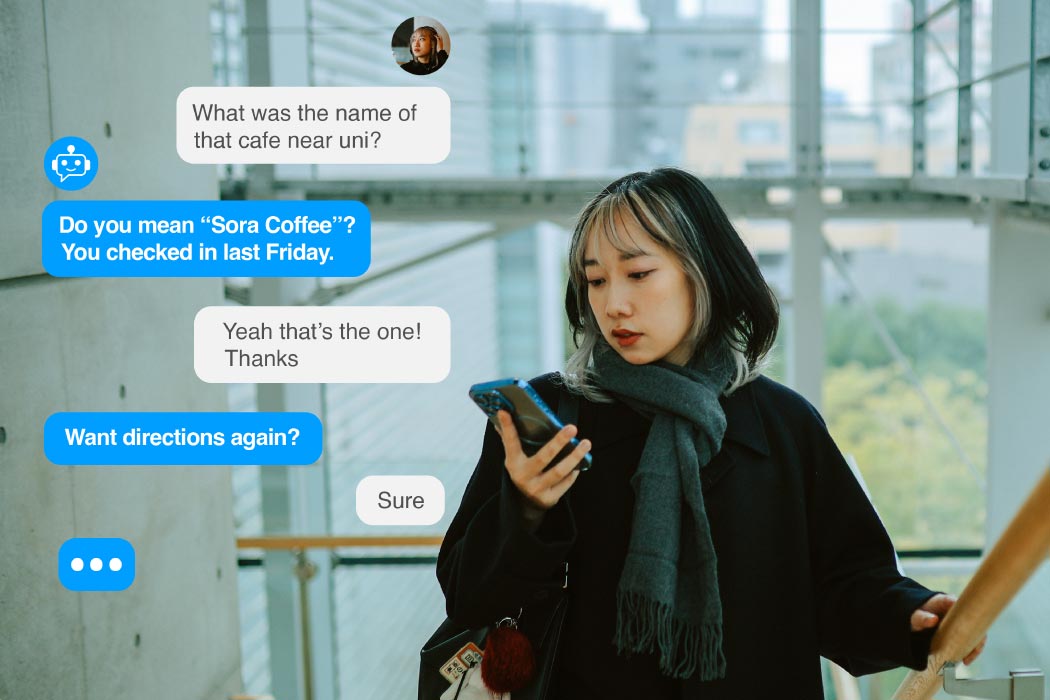
We’re seeing a shift in how businesses communicate AI visually, moving from abstract imagery toward showing what the technology actually enables. The palette is expanding beyond blue neon into greens and oranges. What’s still missing is detail and specificity. Most visuals lean toward a vague concept of “automation,” underutilizing imagery that shows AI capabilities once impossible or incredibly difficult for humans to replicate, which is exactly what’s resonating with APAC consumers.
Also Read: When AI Agents Do the Shopping, Who Wins Loyalty?
We’re also seeing a significant rise in searches for the term “agentic AI.” We’re all familiar with the image of someone looking busy on their phone or laptop, but brands have an opportunity to show AI not just doing tasks but also augmenting thinking and supporting daily life. This visual connection is what’s driving attention, credibility, and relatability in AI-enhanced processes, tools, and services.
Authenticity: Collective, Not Individual
Authenticity has long centered on real people doing real things, shot in a way that looks and feels unmanufactured. But with so much AI-generated content in the market, there’s growing pushback on content that feels “fake” or looks overtly “perfect.”
In APAC, authenticity is becoming more personal and individual, though not in the Western sense. Western-individualist framing doesn’t travel well across most APAC markets. Our research shows that what resonates best now is authenticity shown through relational or collective signals, family, community, belonging, rather than pure self-expression. It needs to be grounded in something inherently human, emotional, and culturally nuanced.
Also Read: The Metric That Mattered Most This Prime Day Wasn’t Revenue
Xiaohongshu’s aesthetic, for example, is deliberately unpolished and diary-like; that rawness is a strong trust marker in China. Japan shows a similar preference for imperfection through the wabi-sabi aesthetic.

Sport: Told Through Fans, Not Just Highlights
It’s been a strong year for sport, capped by the men’s football World Cup. What has been significant is how sport and its fans are being visualized.
In APAC, sports fandom is about culture, identity, and community. Stadium imagery remains popular, but there is a broader visual opportunity in pre-match rituals, year-round engagement, and the social connections built around teams and the sport. The strongest visuals feel immediate and participatory, drawing audiences into the moment rather than showing it from a distance. Think HYROX, run clubs, or Pilates communities. Fandom thrives on a shared culture, from common styles and behaviors to collective traditions, while small personal details express individuality.
Across all three trends, the throughline is the same: audiences can tell the difference between what’s real and what isn’t, and they’re rewarding the brands that show them the difference. For your next brief, that means one thing above all: stop asking whether a visual looks impressive, and start asking whether it looks true — true to how AI actually gets used, true to how community actually looks in your market, true to how fans actually show up. That’s the shift worth making before the year is out.